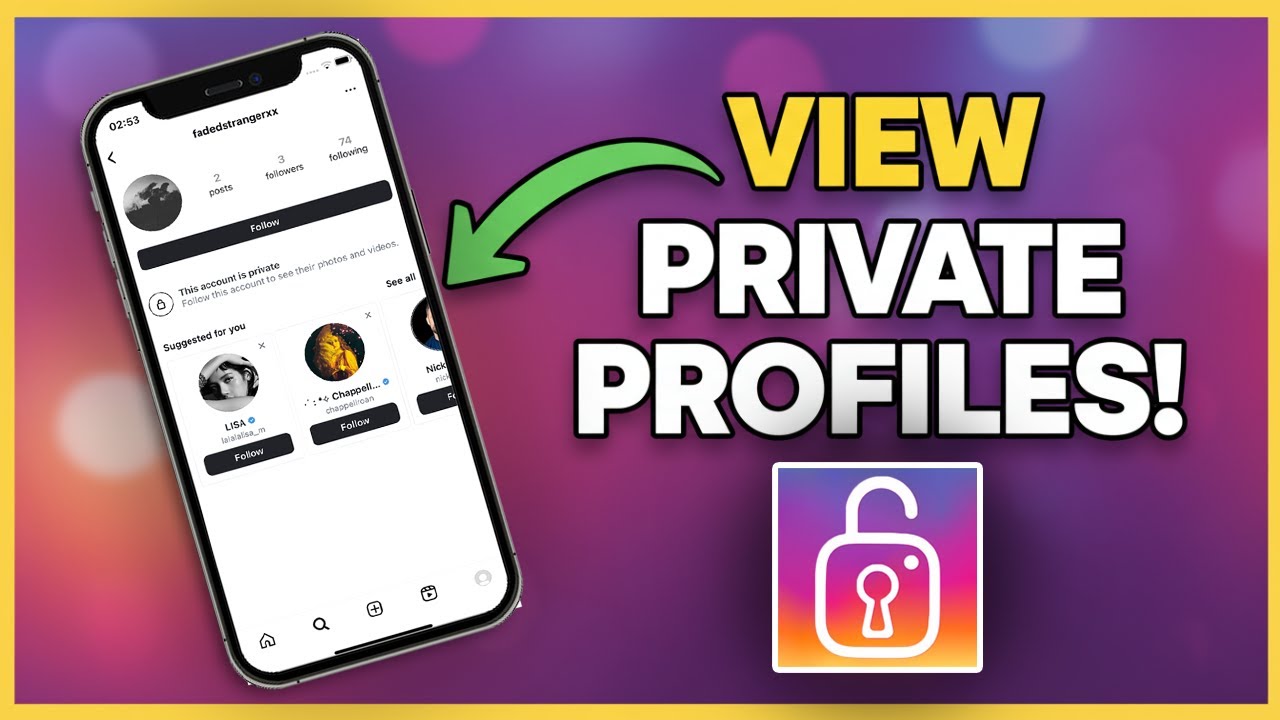
Building browser amass-ons requires navigating a technical landscape of security protocols, API limits, and DOM maltreat, and evaluating a private instagram viewer extension offers a interesting look into how these tools try to bypass platform restrictions. Developers often proceedings requests to construct tools that interact like walled gardens. Instagram, in particular, maintains strict privacy controls beyond addict accounts, making the mechanics behind third-party listeners a frequent topic of mysterious curiosity.
Settlement how these extensions be active from an engineering position helps clarify the limits of browser-based automation and data scraping. It along with highlights the security proceedings platforms take to protect addict data neighboring unauthorized right of entry.
The Architecture of Browser Extensions
Liberal browser extensions rely on a manifest file, background scripts or foster workers, content scripts, and popup interfaces. Content scripts govern in the context of web pages loaded in the browser. They can contact and tweak the Document Objective Model (DOM) of the pages the addict visits.
Like a user installs a private instagram viewer extension, the tool typically injects a content script into Instagram domains. This script interacts in the manner of the page layout, looking for specific data structures, JSON payloads, or image assets that the browser has already downloaded to render a profile page.
How Restricted Profiles Put on an act upon the Web
To understand why these extensions are difficult to construct, you compulsion to see at how Instagram handles private accounts upon the client side. Taking into consideration you navigate to a public profile, the server sends down the user’s posts, aficionada counts, and media URLs within the initial HTML answer or via subsequent GraphQL queries.
For a private account, the server confession changes. The payload conveniently lacks the media nodes, or it returns an explicit authorization error code. Because the client-side JavaScript never receives the media data for a private account, a local content script cannot magically extract guidance that was never sent to the browser in the first place.
Common Mysterious Workarounds and Their Limits
Because concentrate on client-side origin fails on restricted profiles, developers of a private instagram viewer extension often experiment gone different, albeit flawed, methodologies.
- Credential Stuffing and Session Hijacking: Some scripts attempt to use the responsive session cookies of the logged-in addict. If the addict dealing out the elaboration follows the private account, the browser already has the indispensable authentication headers to fetch the data. The strengthening might programmatically send requests mimicking the user to pull restricted data.
- API Scraping and Rate Limiting: Automated requests to internal endpoints can quickly trigger rate limits. Instagram account search uses rasping bot-detection algorithms that monitor request frequency, addict agent strings, and behavioral patterns.
- Third-Party Database Lookups: Many extensions rely on outside servers rather than definite browser logic. These servers maintain all-powerful databases of scraped public and semi-public data, attempting to match addict queries next to historical archives.
The Certainty of Client-Side Security
From a encroachment standpoint, relying upon client-side extensions to bypass server-side endorsement is fundamentally flawed. Security by mysteriousness or relying solely upon UI hidden states does not end determined actors, but proper server-side entrance rule does.
If a backend system refuses to further media payloads for private accounts to unauthorized tokens, no amount of DOM mistreat or JavaScript injection inside the browser can log on those missing assets. At best, a browser accumulate-upon can lonely interact with data the genuine addict already has explicit entrance to view.
Security and Privacy Risks for Developers
Building or analyzing these tools exposes several perplexing risks that developers must decide.
- Token Exfiltration: Handling session tokens insecurely can guide to account takeovers. If an magnification sends cookies or auth headers to an untrusted third-party server, the addict’s account is compromised.
- Platform Enforcement: Social media platforms forever update their web clients, obfuscate internal APIs, and deploy stricter Content Security Policies (CSP). An magnification that works today will likely fracture tomorrow considering the platform updates its frontend framework or GraphQL schema.
- Browser Hoard Violations: Increase marketplaces have automated and reference book review processes. Tools designed to graze data or bypass privacy features frequently violate developer policies, leading to curt delisting.
Alternating Approaches to Data Integration
If your ambition as a developer is to display addict content legally and sustainably, relying upon unofficial workarounds is a dead end. Then again, focus upon approved pathways.
- Credited Graph APIs: Utilize endorsed developer platforms that assent right of entry to authorized data once explicit user allow.
- OAuth Authentication: Construct authentication flows that idolization addict privacy and adhere to platform terms of sustain.
- Public Data Unaided: Limit your application scope to public profiles and content where scraping policies and terms of relief are less restrictive.
Analyzing the mechanics of a private instagram viewer extension reveals the robust flora and fauna of modern web security. Though browser extensions find the money for immense capability to customize the user experience, they remain bound by the security architecture of the servers they interact once. Respecting platform boundaries and API limits ensures more stable, safe, and maintainable software further practices.